Real Acting
Self-Tape Audition Setup: Camera, Lighting, Sound and Framing
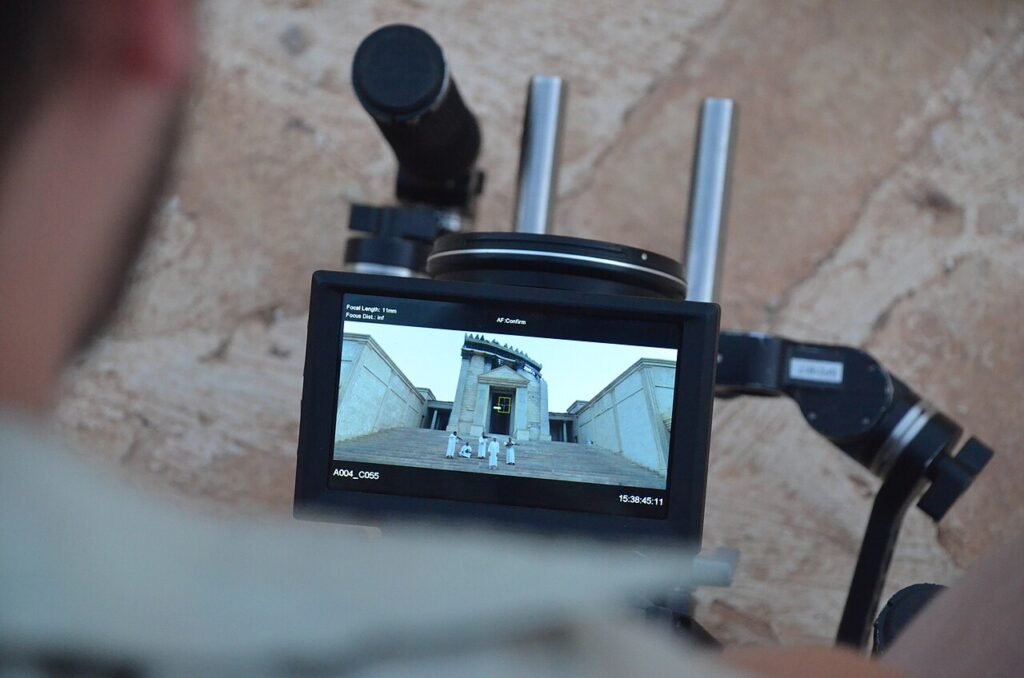
A self-tape does not require an expensive studio. It does require a clear performance, intelligible sound and a setup that follows casting instructions. Use this checklist before you record.
Start with the instructions
Check the requested frame, slate, background, reader, file format, duration and delivery method. Some productions specify a full-body shot or a particular eyeline. Their instructions take priority over generic advice. If a key requirement is unclear, ask through a verified contact channel.
Choose a quiet space
Pick a room where you can control interruptions. Silence notifications and listen for fans, traffic or room echo. Soft furnishings can reduce reflections, but make sure dialogue remains easy to understand.
Position the camera
Use a stable tripod or support at roughly eye level unless the brief says otherwise. Clean the lens and check that the frame is level. Leave enough space around the head and shoulders, avoid placing the face at an extreme edge and do not use handheld movement or digital zoom.
Use simple, even light
Face a window or soft light source when possible. Check that your face is not heavily shadowed and that a bright window is not overpowering the exposure. Test the lighting before recording. The goal is clear, consistent visibility rather than an elaborate cinematic look.
Check sound and eyeline
Place the microphone close enough for clear dialogue without entering the frame. Record a short test and listen with headphones for clipping, echo, clothing noise and background hum. If you use a reader, place them near the camera as instructed and keep the eyeline consistent. Make sure the reader is audible without competing with your performance.
Record and review a test
- Check frame, focus and exposure.
- Listen for clear dialogue and unwanted noise.
- Keep the background simple and remove distractions.
- Confirm the file plays from beginning to end.
- Review performance objectives as well as image quality.
Export and submit correctly
Use the requested file type, resolution and filename. Verify that the upload link or file permissions work. Avoid sending extra takes unless requested. Be cautious about guaranteed roles, pressure tactics, upfront fees and requests for unnecessary sensitive data. Verify casting notices through official channels.
Save the audition checklist, read more in our acting and performance hub, and explore the filmmaking guides for broader camera and visual storytelling fundamentals.